Loading ...
Order ammunition online with nationwide shipping, or buy it at our gun store in Casey, Iowa. VanTon Arms is your premier destination for a comprehensive supply of ammunition in Casey and nearby cities like Adair, Guthrie Center, Menlo, and Stuart. We carry rifle ammunition, shotgun shells, rimfire ammunition, and handgun ammunition. Our team stocks a diverse selection of reliable rounds and specialized loads designed to provide superior consistency and performance for every shooter. We also offer ammo storage like carriers, boxes, and crates to keep your gear organized.

At VanTon Arms, we keep ammunition ready for purchase at our gun shop in Casey, Iowa, and we support online orders with nationwide shipping. Besides Casey, Iowa, we also serve the cities of Adair, Guthrie Center, Menlo, and Stuart. Our goal stays straightforward. We match the cartridge to the chamber, the performance to the task, and the quantity to your training plan.
Key decision points sit below.
Chamber markings on a barrel or slide set the boundaries. Similar names can hide meaningful differences, so labels deserve a careful look. We suggest confirming the stamp, confirming the manual, then matching that to the box before loading anything.
Range sessions reward consistent recoil and clean function. Defensive use calls for dependable feeding and predictable performance on target. Hunting loads need bullet design that fits the game and the distances you expect in Iowa fields, timber, and edges.
Lot changes can shift velocity, recoil feel, and point of impact. When a load groups well and cycles clean, sticking with that selection reduces guesswork. A repeatable choice makes practice data more useful and sight adjustments less frequent.
This category supports practice, competition, and protection, often in the same month. Recoil, reliability, and point of aim matter more than hype. We focus on loads that run in common pistols and revolvers, then we help you validate the choice with a short test plan.
Our priorities for pistol ammunition are below.
A training round should feel consistent and allow long sessions without fatigue. That consistency helps you track sights and press the trigger without rushing. We pay attention to stable ignition and predictable recoil so your feedback stays clear.
Carry ammunition earns trust through function in your exact setup. Magazine spring strength, feed angle, and chamber finish can all affect cycling. Testing a small sample confirms feed and extraction, then you can reserve the same load for rotation.
Revolvers can handle a wide range of loads, yet comfort still matters. Heavy cartridges can feel sharp in lighter frames and can slow follow-up shots. Matching recoil to your skill level keeps practice enjoyable and keeps accuracy steady.
Rifle ammo decisions benefit from a clear purpose. Hunters want dependable terminal results at practical distance. Precision work leans on consistent velocity and tight groups. We narrow choices by bullet construction and expected range, then confirm zero with the exact load you plan to carry.
Core considerations for centerfire rifles sit below.
Soft points, bonded bullets, and controlled-expansion designs each behave differently on impact. Bullet weight can influence penetration and recoil, so matching the load to the animal matters. A well-chosen bullet supports clean performance without pushing recoil beyond comfort.
Gas guns need enough pressure to cycle reliably. Underpowered loads can short-stroke, and hot loads can run dirtier and feel harsher. We aim for options that keep ejection consistent and reduce surprises over long strings.
Changing loads often changes point of impact. Even a new lot of the same product can shift results in some rifles. When a rifle prints well, staying with that choice keeps sight-in time shorter and keeps your notes meaningful.
Rimfire makes practice accessible and supports small-game work, yet it rewards careful selection. High volume can expose minor inconsistencies quickly. We stock options that support reliable cycling, steady accuracy, and predictable impact.
Rimfire details we watch closely include the following.
Rimfire can vary more than centerfire, even within the same brand family. A short test across a few loads often reveals what a specific barrel prefers. We recommend confirming function with your own magazines before buying in bulk.
Rimfire can run dirty, especially during high-volume shooting. A cleaner-burning load can reduce stoppages and make end-of-day maintenance easier. Simple chamber cleaning and a consistent load choice keep reliability higher.
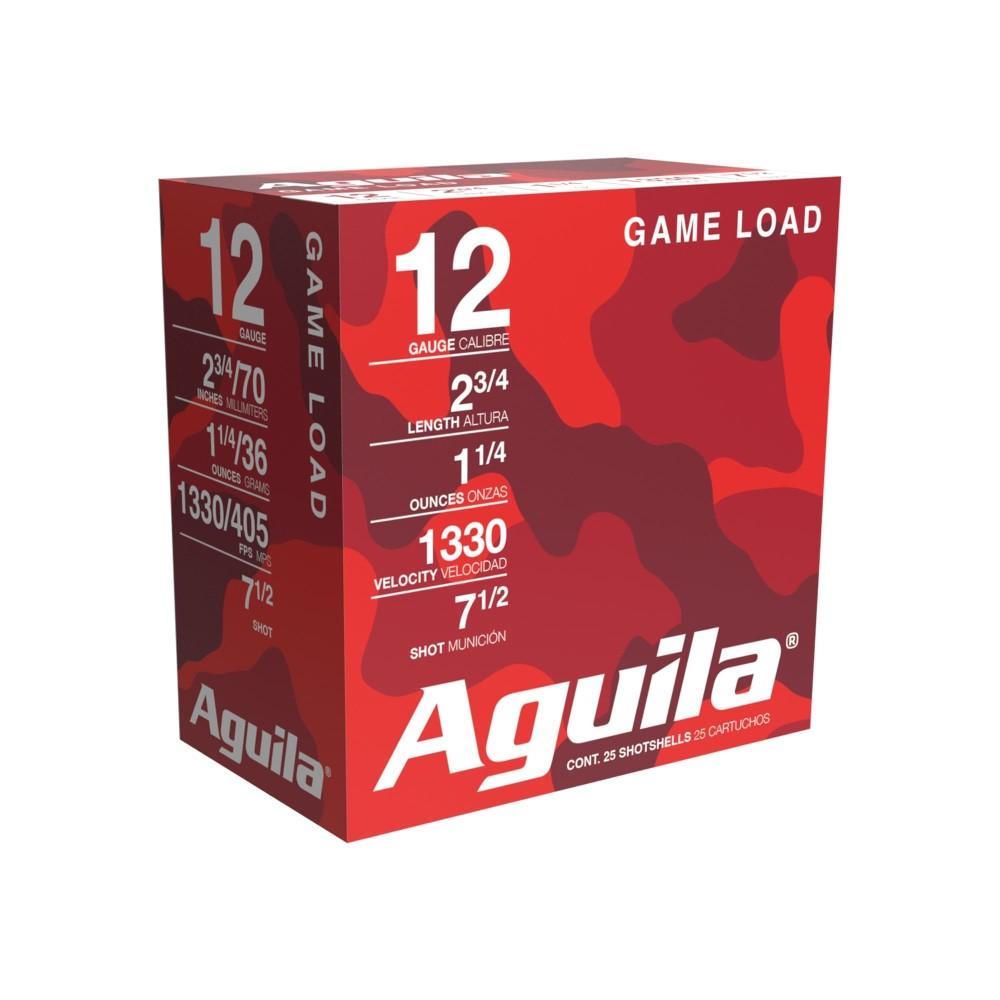
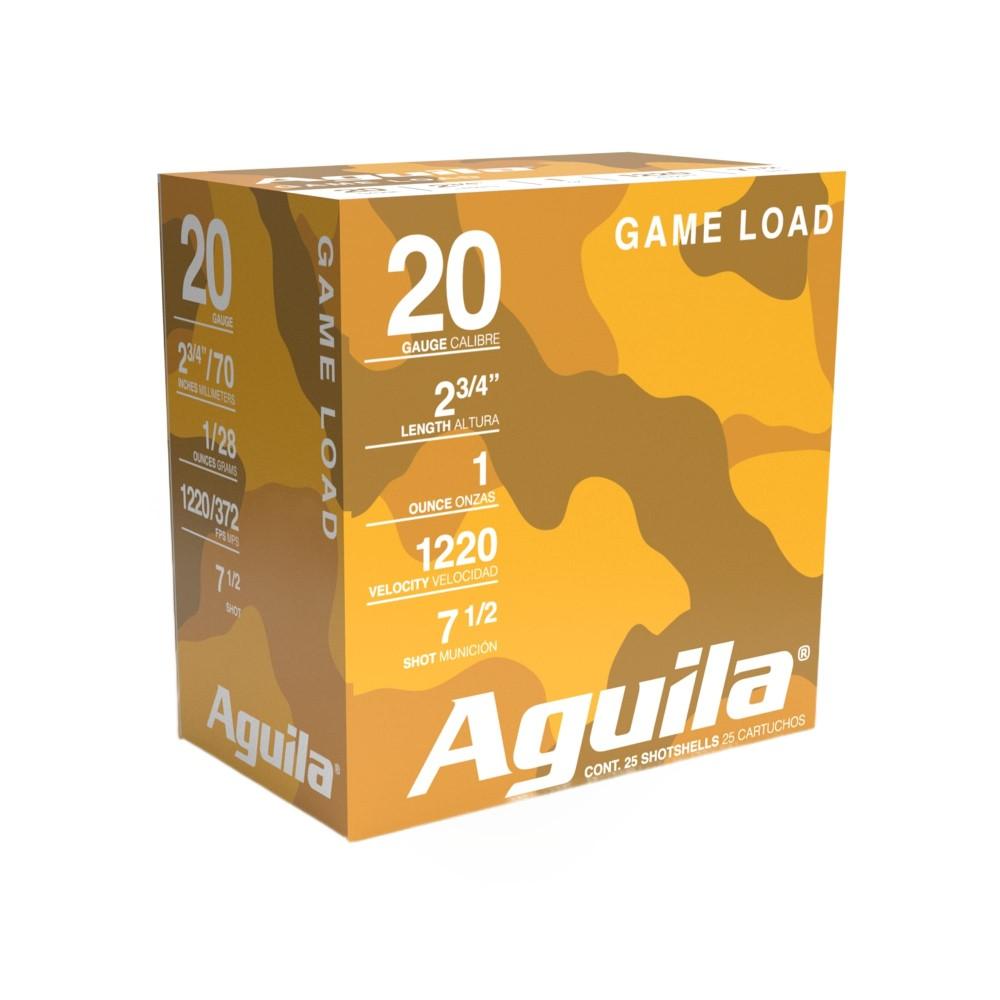
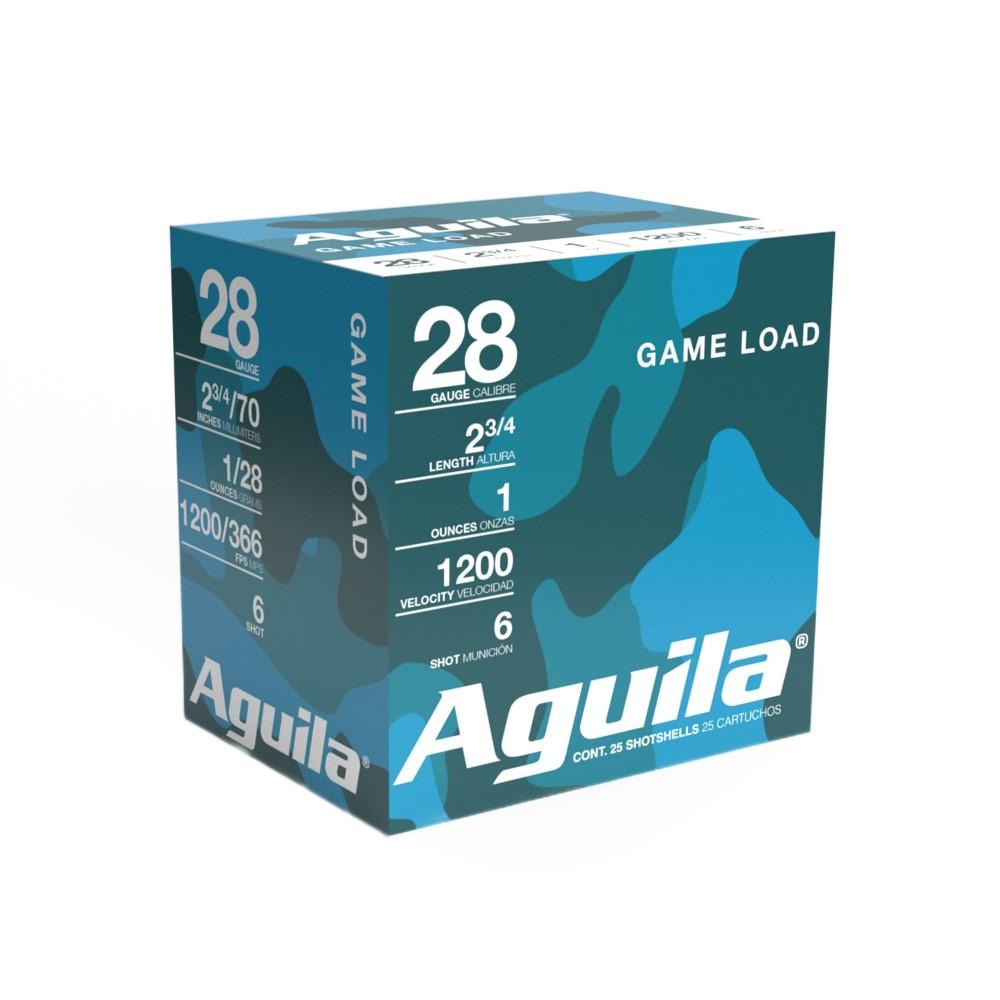
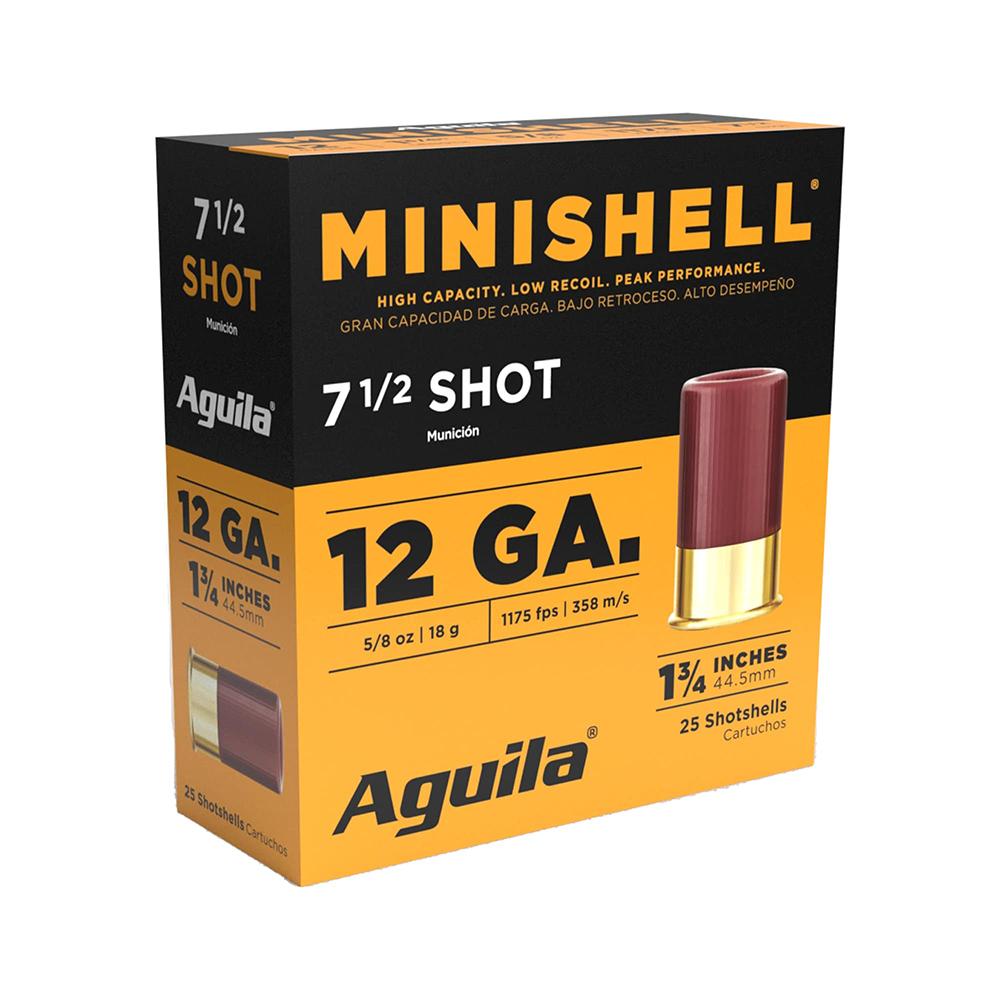
Shotshell selection comes down to pattern and purpose. The same shell can throw different spreads across different barrels and chokes. Our inventory includes shells for clays, birds, and defensive roles, with attention to recoil control and predictable pattern performance.
A good shotshell plan starts with the points below.
A shotshell is only as good as the pattern it produces from your shotgun. Pattern checks at realistic distance give you hard answers on density and point of aim. That simple test builds confidence before a season or a training cycle.
Shot size affects density and energy downrange. Lighter recoil loads can improve follow-through during long days on clays. Heavier payloads can help on tougher birds, yet they demand more recoil management and good form.
Slug choice depends on barrel type and the distance you expect. Buckshot performance depends on pellet count and pattern behavior with your choke. We recommend confirming point of impact and spread before relying on any defensive load.
Reliable feeding keeps ammunition honest. A worn spring or damaged feed lip can create stoppages that look like ammo trouble. Our selection covers magazine options that support common platforms and help keep cycling consistent at the range and in the field.
Magazine choices that support dependable feeding include these.
Ammunition choices improve when the rest of the kit supports the plan. A well-timed call, a dependable light, or a clear trail photo can change the shots you take and the distances you face. Our hunting gear lineup supports preparation, safety, and cleaner execution in the field.
Hunting gear that pairs well with ammunition planning appears below.
Suppressed shooting changes what “good ammo” feels like. Gas blowback and cycling speed can shift in the first magazine. We match suppressed setups with loads that run reliably and keep recoil predictable.
For suppressed use, we start with the checks below.
Subsonic rounds can reduce report, yet some semi-autos need more energy for full cycling. Supersonic loads can run more reliably in certain platforms, with a sharper downrange crack. We base the recommendation on the firearm, the role, and the reliability you expect.
Suppressors can increase fouling in the action and chamber. Powder choice and projectile type influence how fast buildup appears. A practical cleaning cadence paired with a proven load keeps performance stable.
Short barrels bring speed and convenience, with a different ballistic profile. Velocity drops can change bullet behavior on target. We guide load selection with honest expectations about distance and terminal performance.
Compact barrels bring a few considerations worth tracking.
Many bullets depend on impact speed for reliable expansion or fragmentation. Short barrels can lower velocity enough to change performance at distance. Selecting the right bullet design keeps results closer to your goal.
Short barrels can produce sharp blast and visible flash. Load choice can reduce flash and keep recoil more manageable. A controllable setup supports faster follow-up shots and steadier accuracy.
Ammunition lasts a long time with cool, dry, stable storage. Loose rounds invite dents and grime. Sealed containers and simple organisation keep inventory cleaner and easier to manage.
A few habits protect performance and cut waste.
A tight seal matters more than fancy packaging. Moisture control and steady temperature protect primers and powder. A desiccant pack can help in humid seasons.
Carry rounds take wear from repeated chambering and daily movement. Rotation keeps setback risk lower and keeps reliability higher. Practice ammo benefits from quick inspection for dents or corrosion before a range session.
A simple note can prevent wasted time later. Record the load and how it performed in your firearm. That habit supports smarter buying and keeps your setup consistent across seasons.
We carry ammunition across handgun ammunition, rifle ammunition, rimfire ammunition, and shotgun shells, with options suited to training, hunting, and defensive use. Our goal is to match the load to the firearm’s chamber marking and the job you need it to do.
Start by confirming the exact chamber marking on the barrel or slide, then match that to the cartridge or shell listed on the box. We recommend testing a small amount to confirm feeding, extraction, and point of impact before buying in larger quantity.
Yes. A different lot can shift velocity and point of impact, which can change group size and your zero. Once a load runs well and prints consistently, sticking with it keeps results repeatable.
Reliability comes first, so we test feeding, extraction, and slide lock with the magazines we plan to carry. We also confirm point of impact at practical distance to make sure the load hits where our sights indicate.
We match bullet construction and weight to the game size and typical distance, then confirm zero with the same load we plan to hunt with. A short accuracy check from a stable position helps confirm real-world performance.
Start by inspecting magazines for worn springs, damaged feed lips, or poor fit, since those issues often cause stoppages that look like ammo trouble. If the magazine checks out, a short function test with a different load can help isolate whether the issue is ammunition-related.
Yes. Suppressed setups can change cycling and increase fouling, so load selection matters more than it does on unsuppressed firearms. We confirm function with the exact firearm and magazine setup, then plan a practical cleaning cadence.
Store it in a cool, dry, stable place using sealed containers that protect against moisture and rough handling. Rotation of carry rounds and quick inspection for dents or corrosion keeps reliability higher over time.