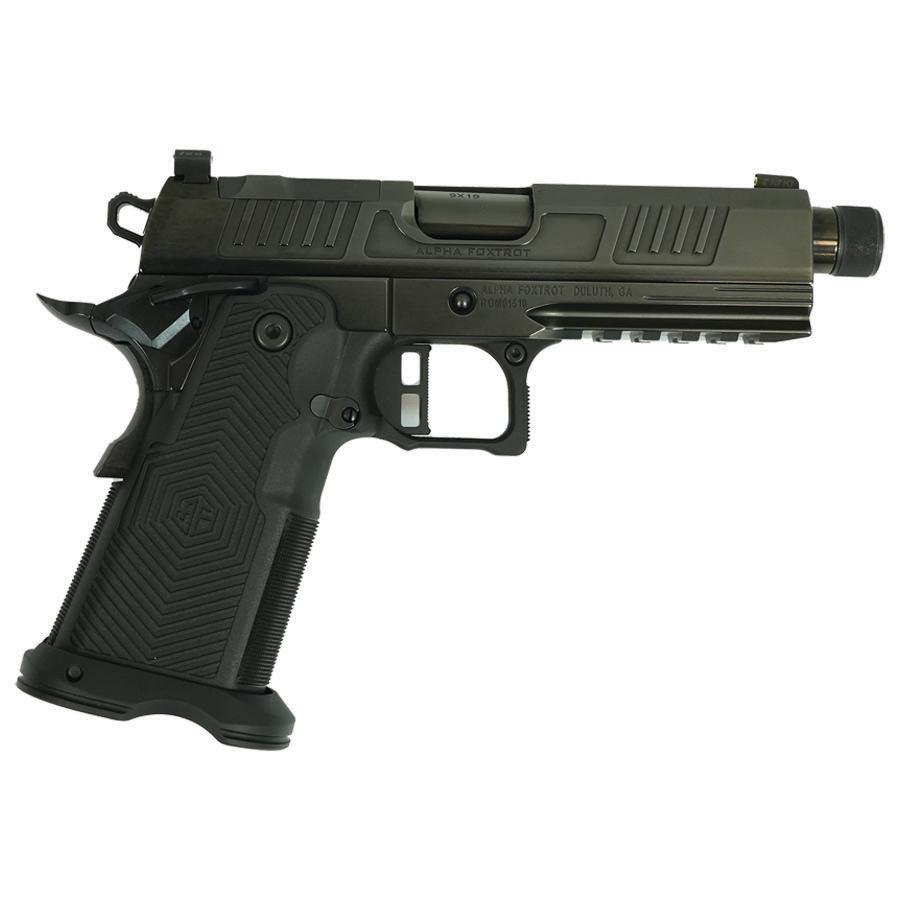
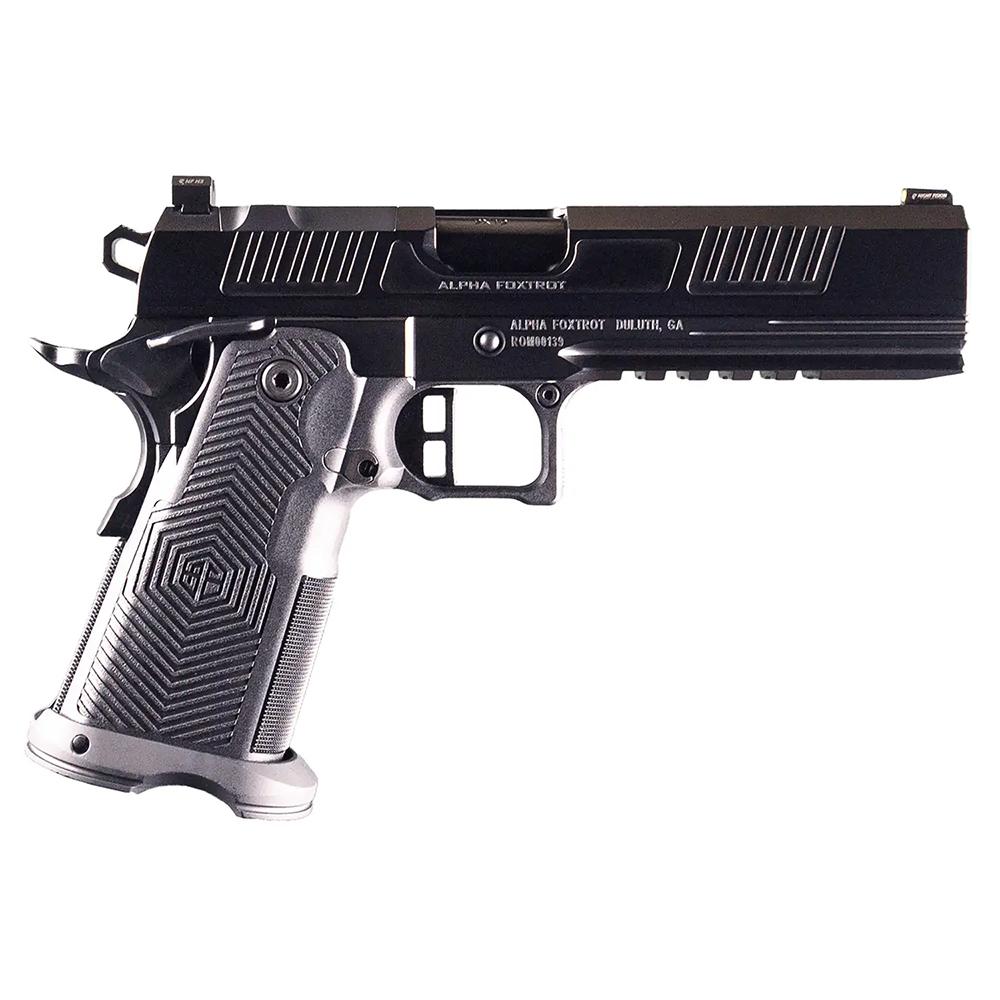
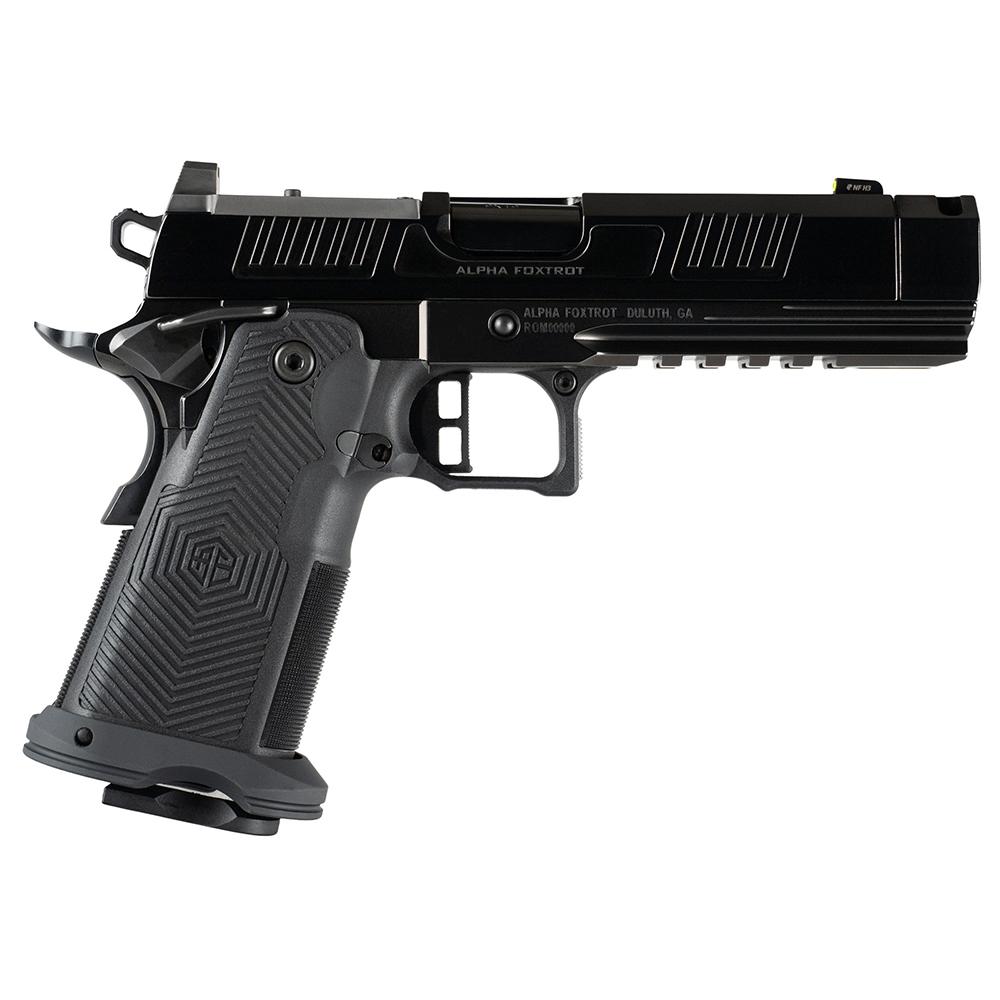
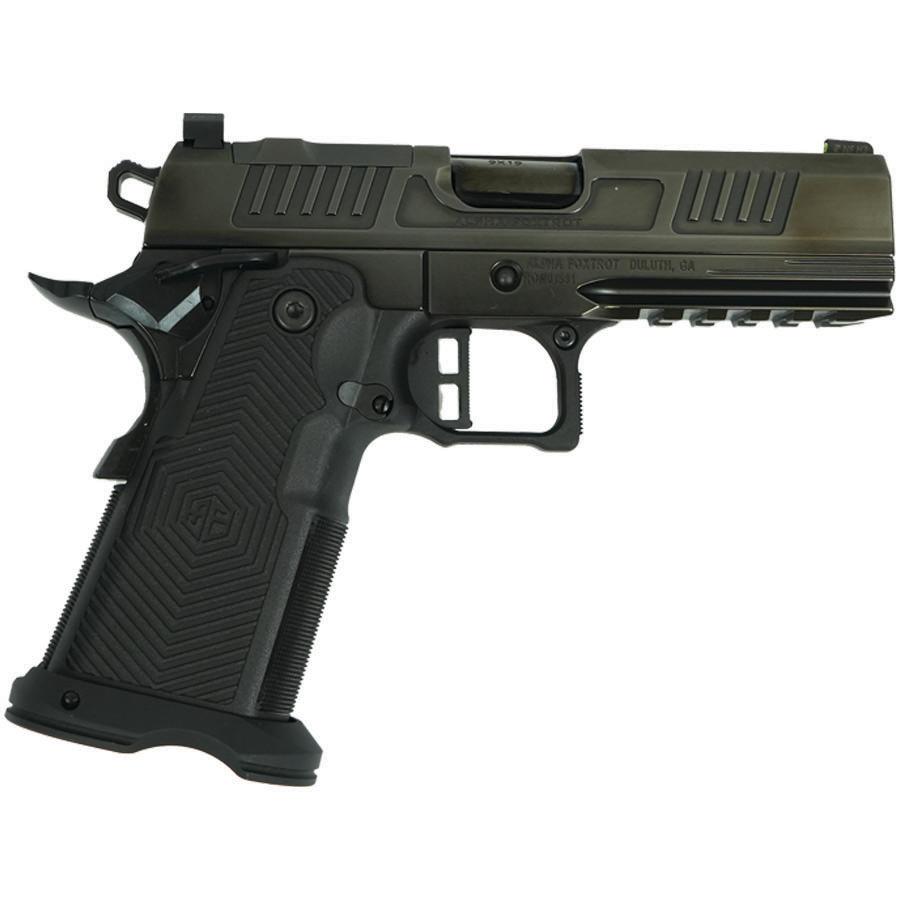
The Best Handguns In Casey, Iowa
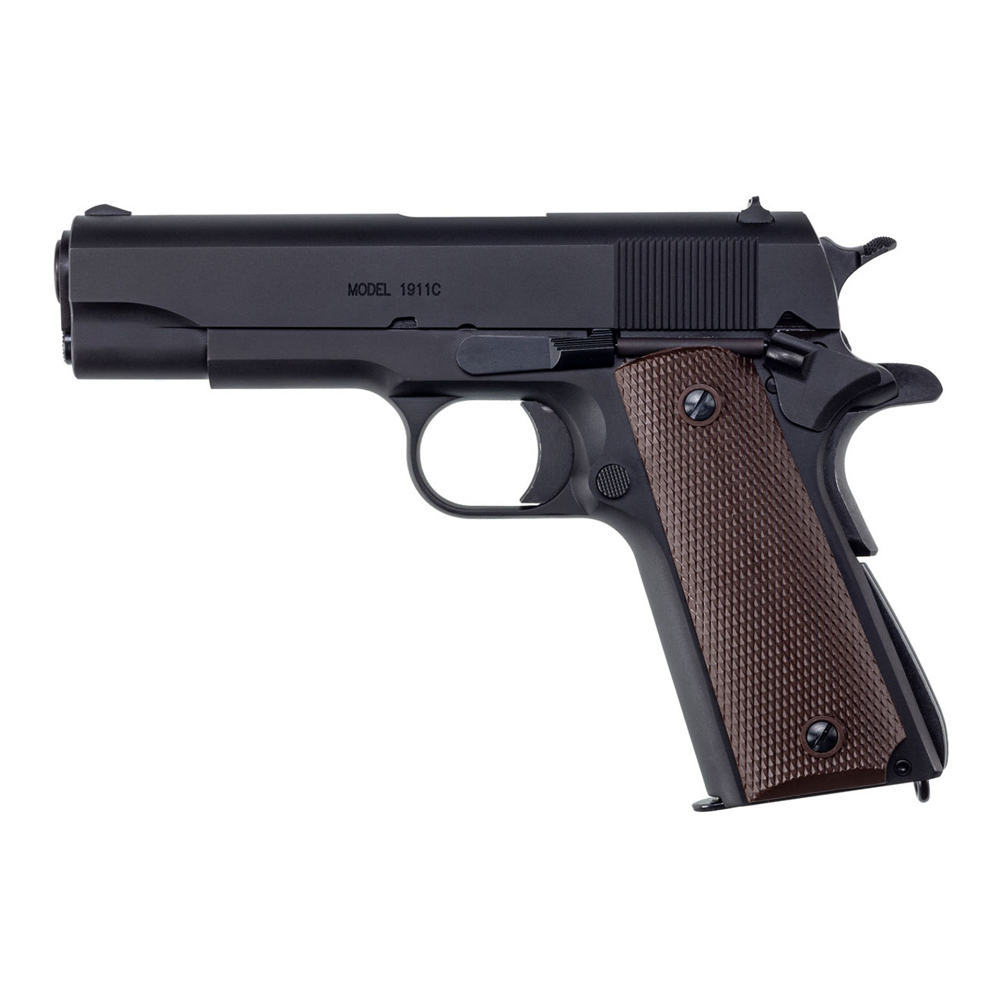
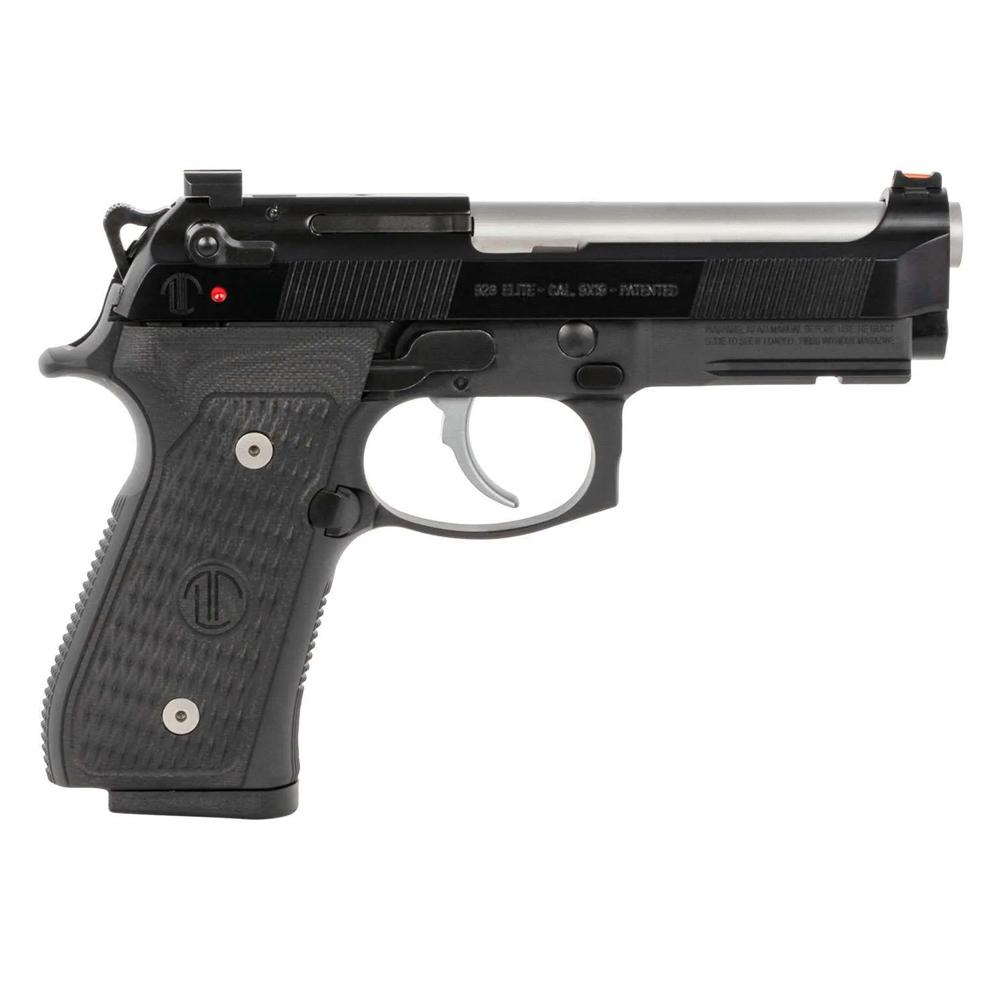
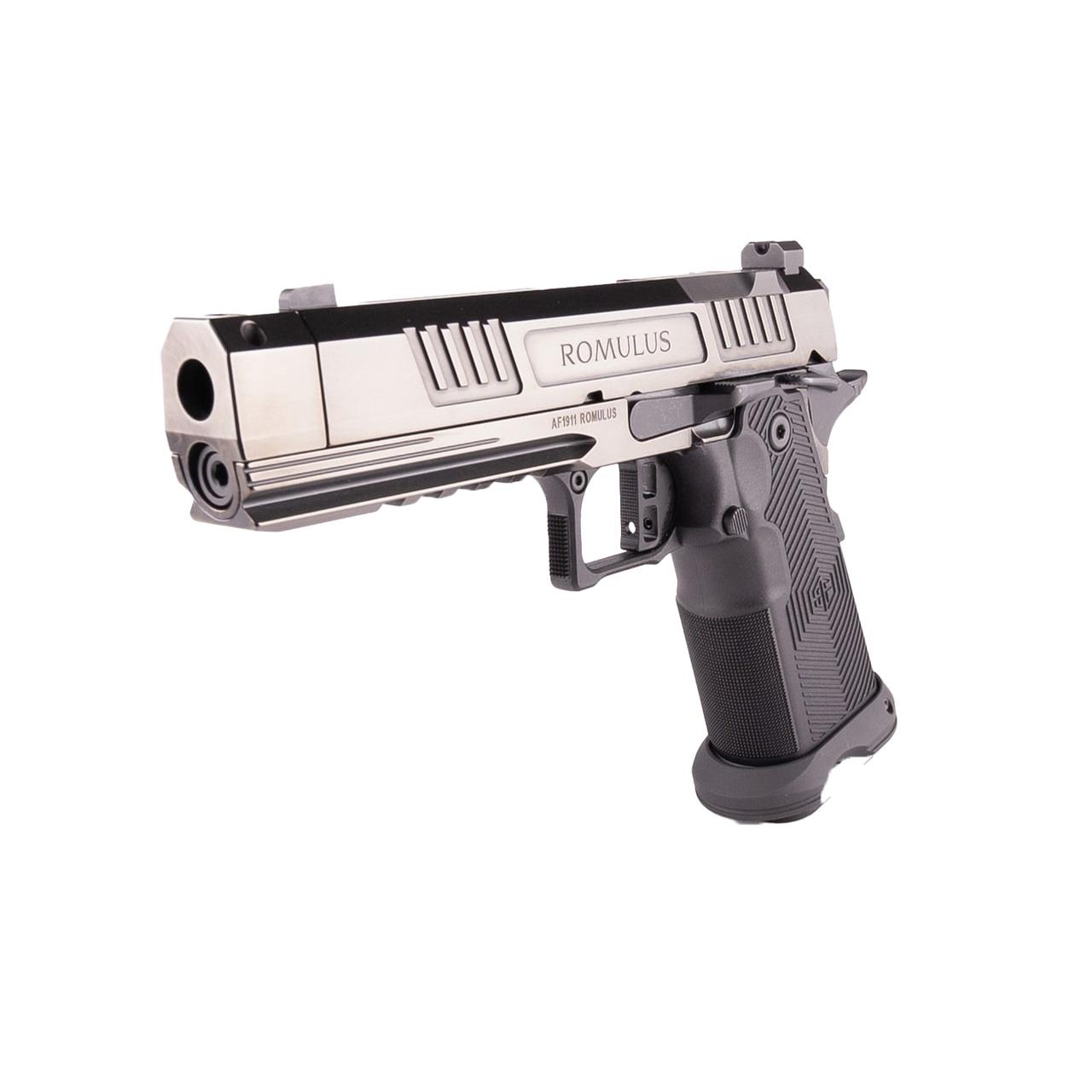
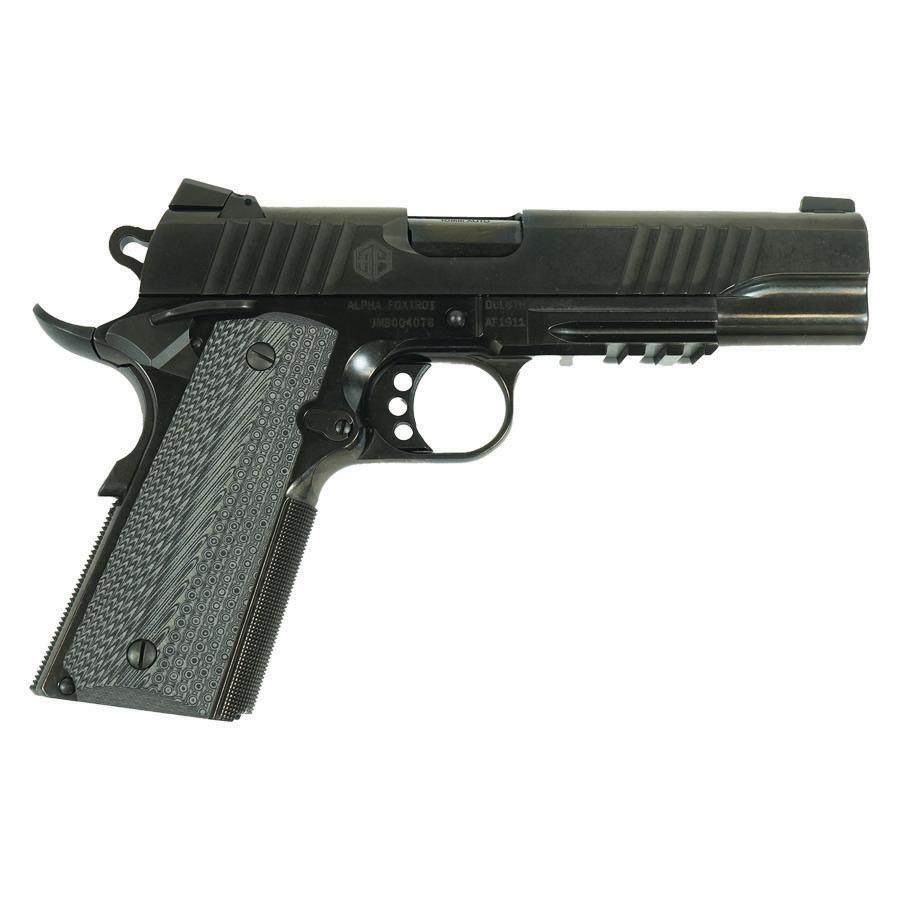
VanTon Arms stocks handguns for purchase at our Casey, Iowa, gun shop, with online orders shipping nationwide. Besides Casey, Iowa, we also serve the cities of Adair, Guthrie Center, Menlo, and Stuart. Our focus stays on practical fit, predictable function, and options that suit real use rather than trends.
A handgun can sit at the centre of a personal security plan, a competition setup, or a long-term collection. That range of roles creates one clear requirement. The choice must align with the shooter, the task, and the time spent training with the same platform.
Here are the main factors we weigh when we help select a handgun.
Fit And Controls
Grip shape, reach to the trigger, and placement of controls drive comfort and performance. A pistol that points naturally helps with speed and repeatable accuracy. Controls that match your hand size reduce fumbles and keep operation consistent under pressure.
Action Type And Practical Operation
Action type sets the manual of arms and changes how the trigger feels. A revolver rewards a smooth, steady press with a different reload rhythm. A semi-auto brings higher capacity and fast reloads, with greater sensitivity to magazines and ammunition.
Use Cases We See Most Often
- Concealed carry: A compact handgun with manageable recoil supports consistent practice. Comfort matters, since daily carry gets old fast with a poor fit.
- Home defence: A stable platform with clear sights helps with fast target focus. Familiar handling becomes the advantage when adrenaline rises.
- Competition: A full-size handgun with a predictable trigger supports speed and accuracy. Magazine availability and consistent ammunition tend to matter more than cosmetic upgrades.
- Field sidearm: A rugged handgun that resists dirt and weather suits the outdoors. Practical power and controllable recoil often beat extreme load choices.
- Collecting: A handgun can hold value when provenance and condition stay strong. Variety adds interest, yet fundamentals still matter when it comes time to shoot.
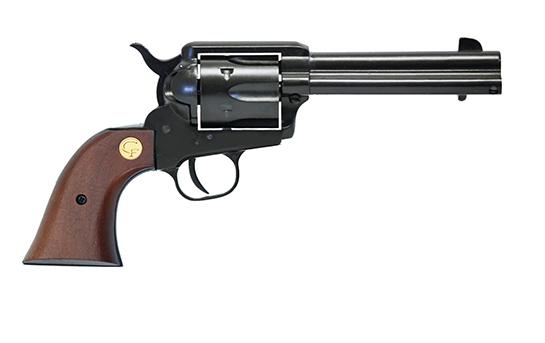
Revolvers keep a loyal following for good reasons. The operating concept stays straightforward, and the platform handles a wide range of cartridge types. Many owners value the clear status check and the long-term durability of a well-built wheelgun.
Within a collection, revolvers cover everything from light carry pieces to large-frame models built for heavy use. Range time with a revolver can also sharpen trigger control, since the press tends to reward discipline.
These are the revolver details that shape day-to-day performance.
Frame Size, Weight, And Balance
Frame size affects recoil feel and how the revolver carries. A lighter gun can feel sharp with stout loads, which can shorten practice sessions. A heavier frame can calm recoil and support better accuracy, with the trade-off of more weight on the belt.
Trigger Modes And Realistic Accuracy
Double-action trigger pulls demand a steady press and consistent grip pressure. Single-action fire can support precision work, with a lighter break and less disruption to sight alignment. Practical accuracy comes from repeatability, so trigger feel and grip geometry should align with how you plan to shoot.
Maintenance And Long-Term Ownership
Revolvers benefit from routine cleaning around the cylinder and forcing cone. Timing and lockup matter, so parts fit should remain tight under use. A simple inspection habit helps catch small issues before they become expensive repairs.
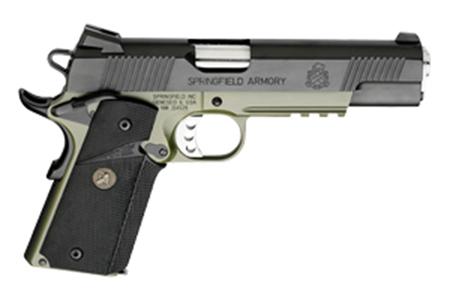
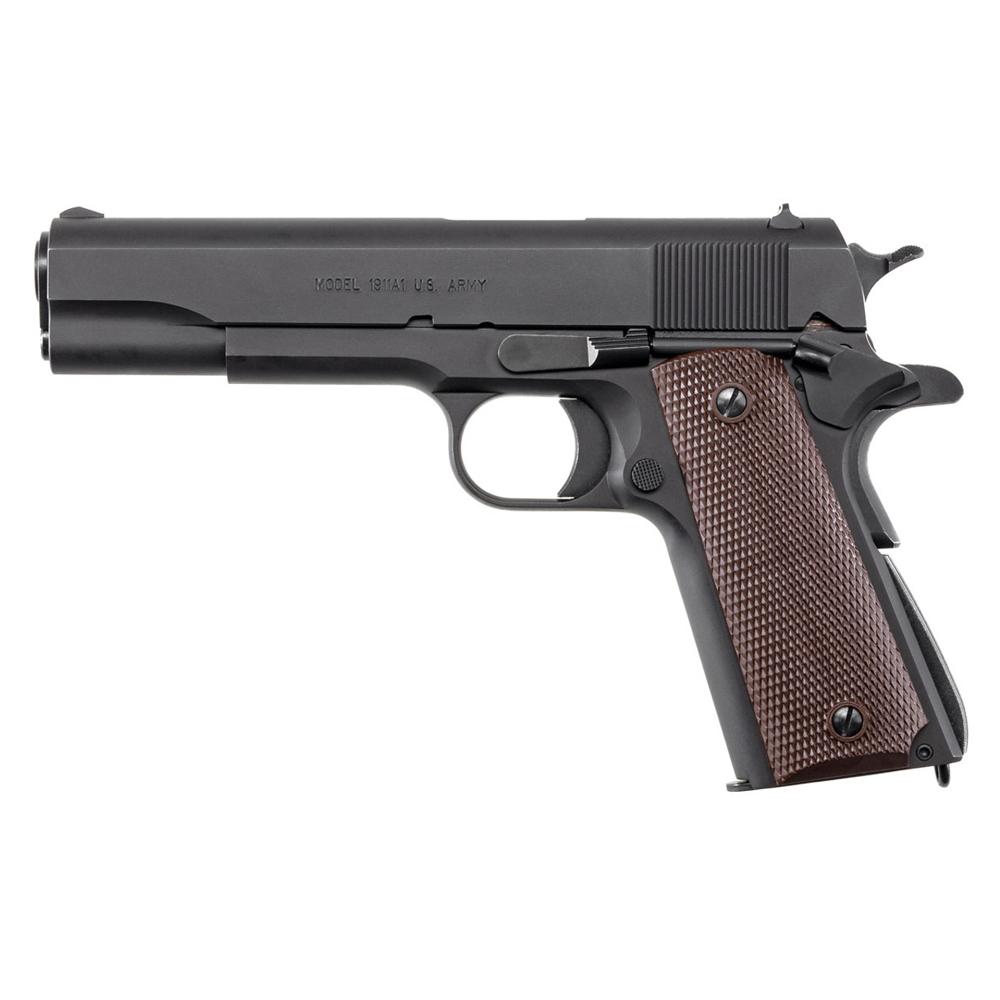
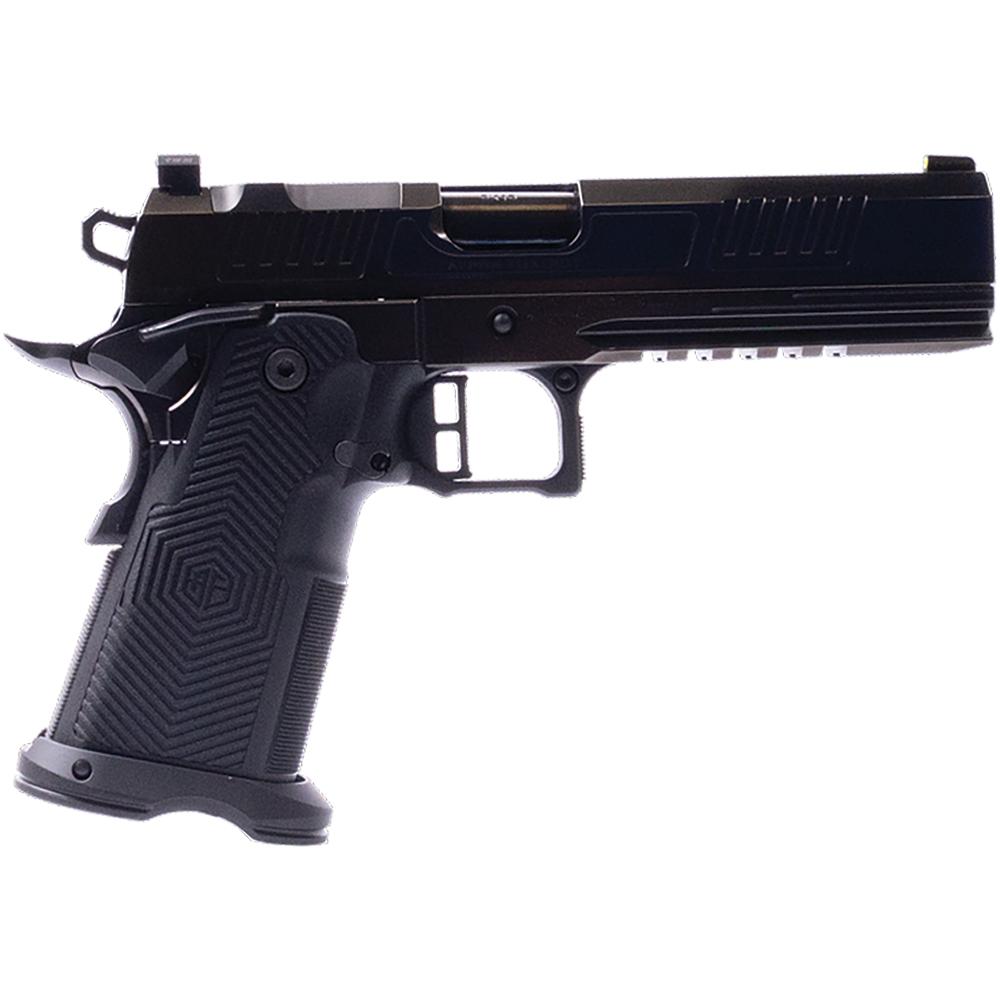
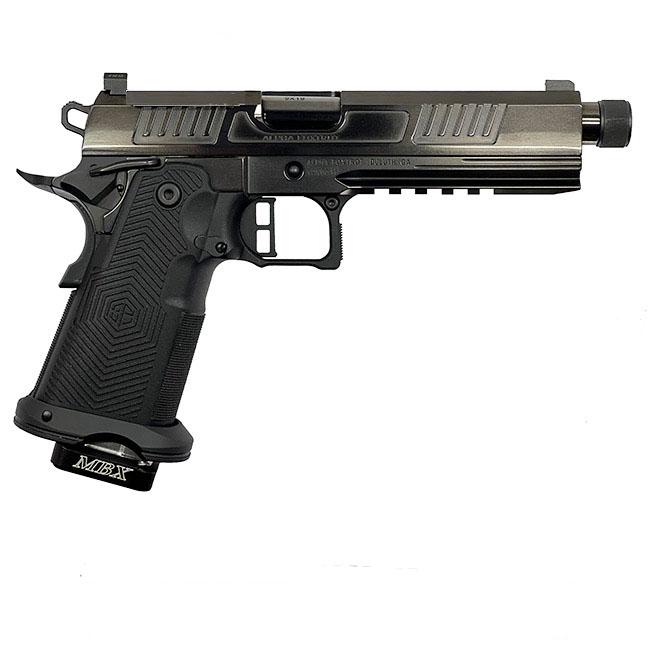
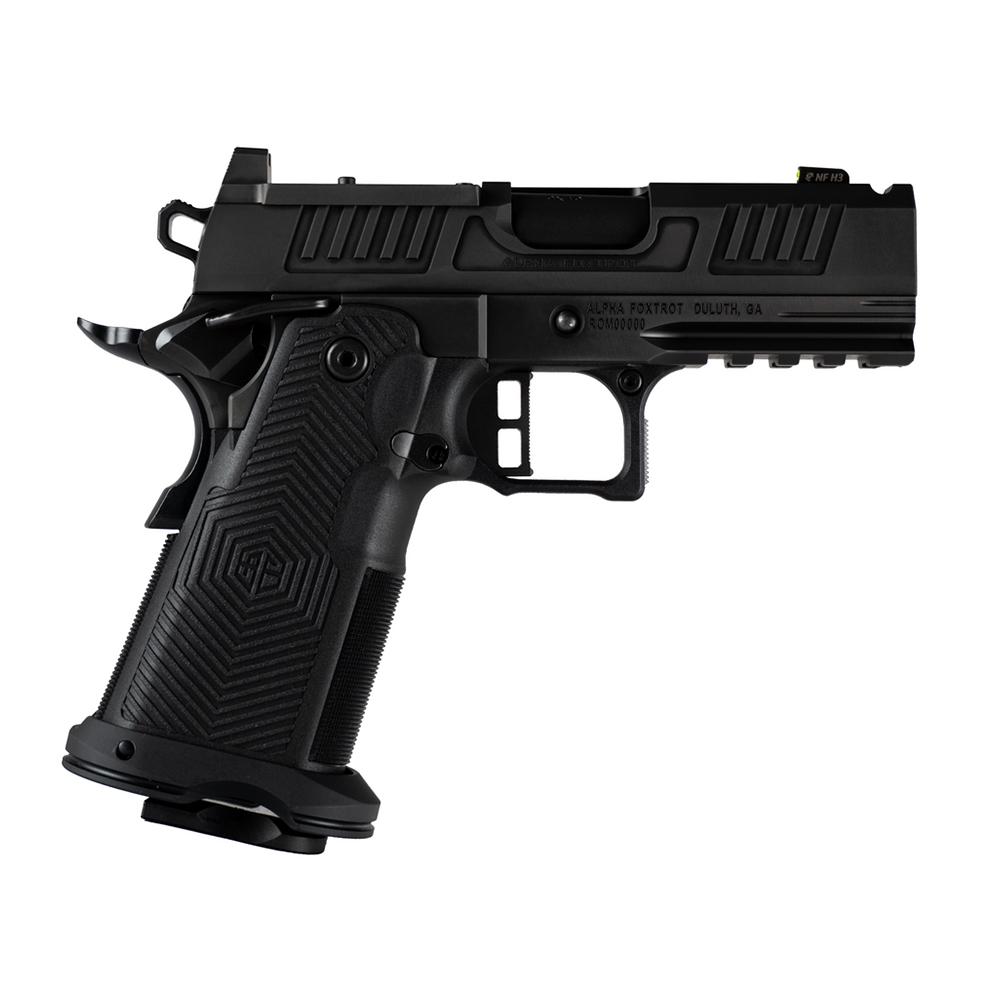
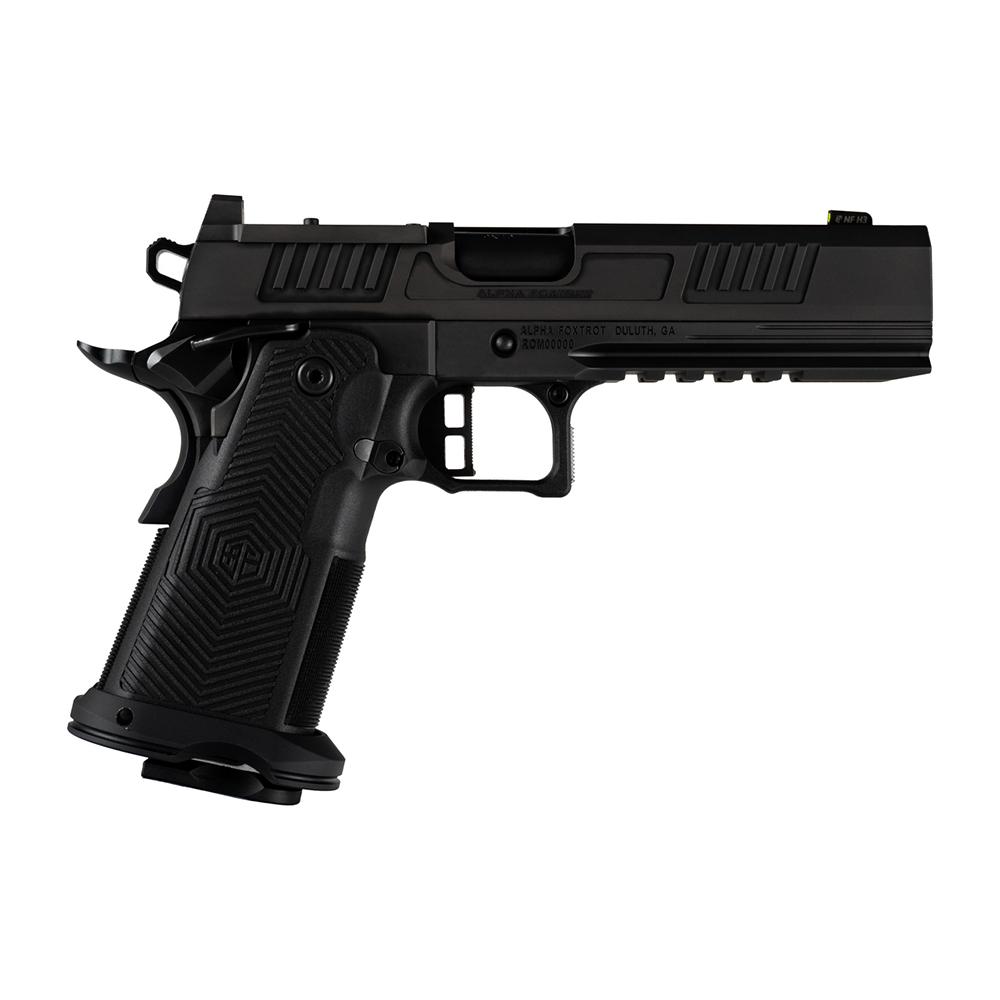
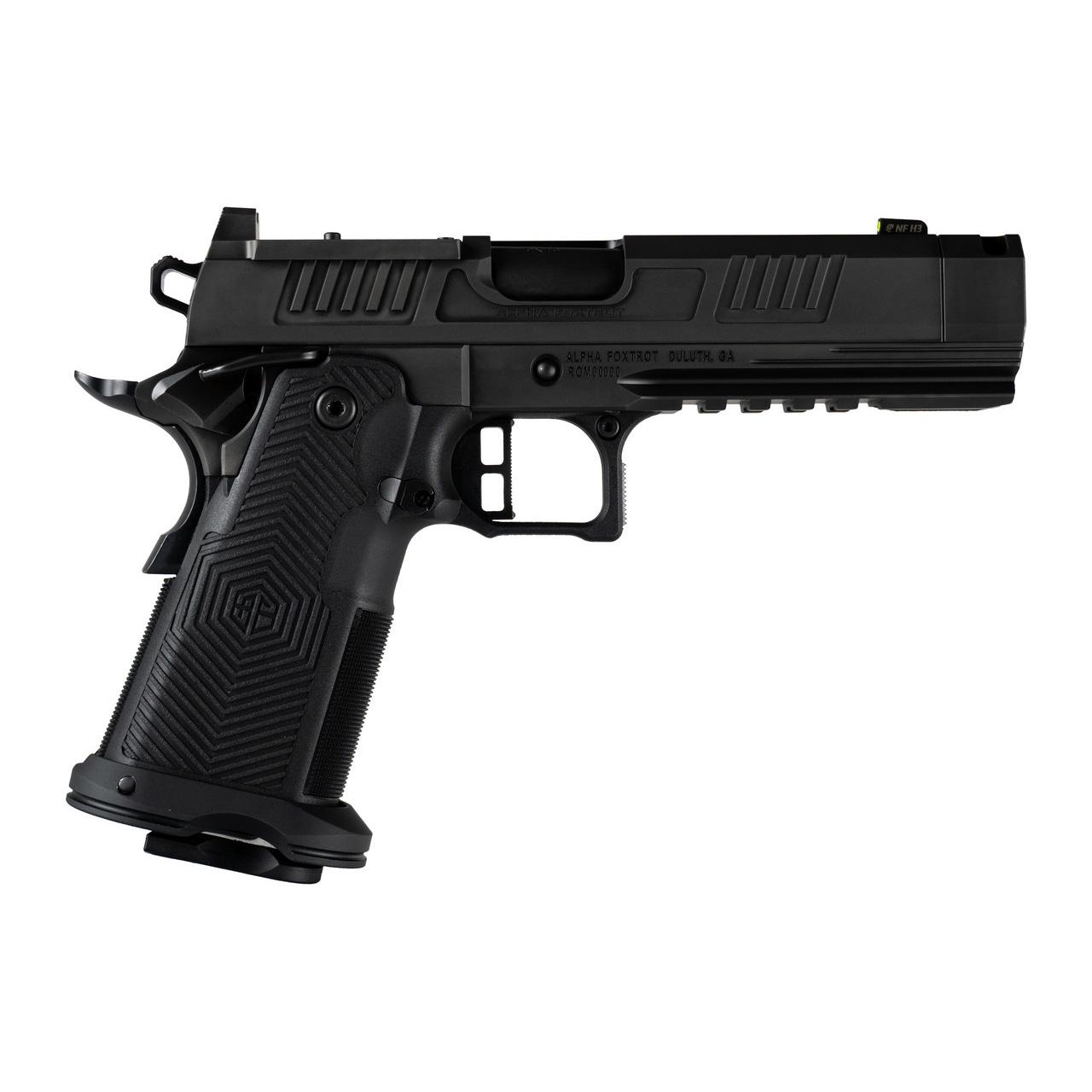
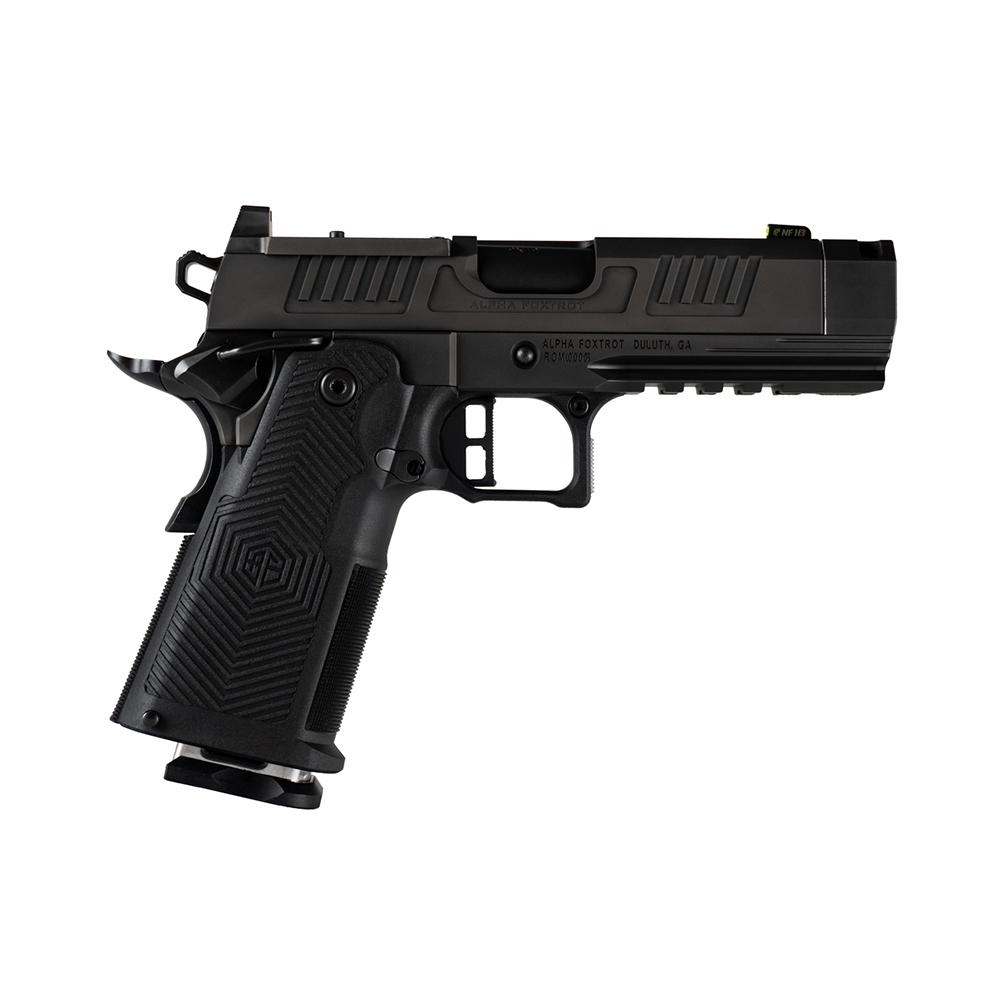
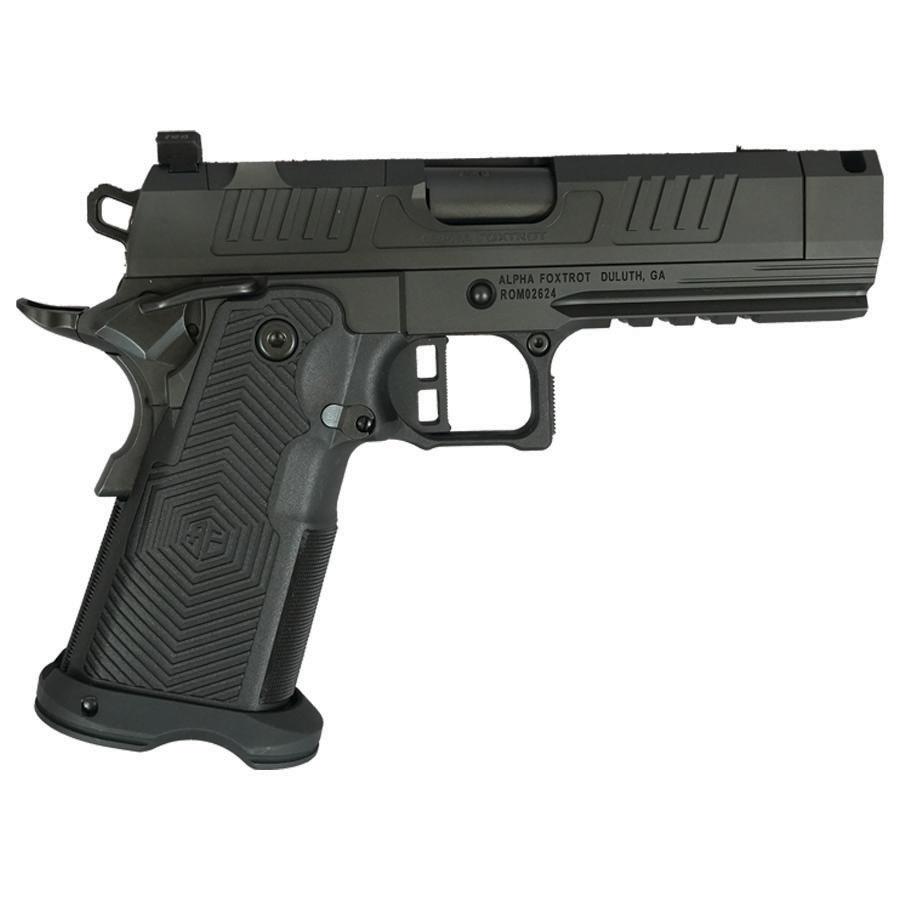
Semi-auto handguns cover the widest spread of roles, from discreet carry to duty-style use and match shooting. Many shooters choose them for capacity and reload speed. Platform choice still matters, since ergonomics, trigger style, and sight system all shape performance.
The semi-auto market also moves quickly. New models often bring optics-ready slides, improved textures, and refined recoil systems. Those upgrades help when they support fundamentals rather than distract from them.
Here are the areas that most often separate one semi-auto from another.
Size Classes And Capacity Planning
Compact models balance concealment and shootability, with shorter grips and barrels. Full-size pistols offer more sight radius and softer recoil, with easier control during rapid strings. Capacity and grip size also tie together, so the most comfortable option often becomes the most practical.
Sights, Mounting Options, And Presentation
Iron sights still work well when they present clearly and hold zero. Optics-ready slides give flexibility for red-dot use, yet the system still needs a consistent draw and presentation. A clear plan for sighting reduces wasted money and keeps training aligned.
Reliability Checklist That Reduces Surprises
- Magazines: Reliable feeding starts with magazine geometry and spring strength. A quality magazine can solve issues that people blame on the pistol.
- Handgun magazines: A carry pistol often runs on tight margins, so magazine condition matters more than most expect. A fresh spring and clean feed lips support consistent chambering.
- Ammunition: Consistent ammo helps keep recoil feel and point of impact predictable. A proven load reduces troubleshooting and keeps practice data meaningful.
- Handgun ammunition: Carry loads should run cleanly and cycle with confidence in your specific pistol. A short test plan confirms function before you rely on it.
- Maintenance routine: Basic cleaning and proper lubrication keep cycling smooth. Regular inspection of springs and contact surfaces helps avoid preventable stoppages.
Derringers sit in a narrow lane, yet they remain relevant for shooters who want simplicity and minimal size. They tend to suit niche carry roles and collector interest more than high-volume range work. That reality does not make them less useful, it just defines the context where they shine.
A derringer also demands honest expectations. Limited capacity and short barrels change both accuracy and recoil feel. Good fit and careful ammunition choice matter even more on such a compact platform.
These are the reasons a derringer stays a specialised tool.
Size And Carry Reality
The compact profile can make daily carry easier. Small grips can reduce control, so practice tends to look different than it does with a compact semi-auto. Realistic distance expectations help keep results consistent.
Manual Operation And Load Choice
Many derringers rely on simple controls and manual operation. Ammunition choice can affect comfort and confidence more than people expect, since short barrels can feel abrupt with heavier loads. A steady, familiar load often beats an aggressive option that discourages practice.
Collector Value And Build Quality
Derringers can hold appeal as classics and conversation pieces. Fit, finish, and mechanical condition influence value over time. Safe storage and light use tend to protect both function and long-term interest.
Single-shot handguns appeal to shooters who enjoy deliberate shooting and mechanical simplicity. Many owners choose them for specialised range use, hunting roles, or collection breadth. One round at a time creates a different pace, with more focus on sight picture and trigger control.
This category can overlap with hunting and field needs, where precision and bullet performance matter. A strong understanding of the cartridge and the intended game keeps the setup practical rather than theoretical.
Here are the roles where single-shot handguns make sense.
Specialty Hunting And Field Use
Single-shot designs often support accurate shooting with careful shot selection. Bullet choice matters, since terminal performance needs to match the task. For rifle-calibre handguns, pairing with rifle ammunition can simplify sourcing and support consistent performance.
Barrel Length And Trigger Quality
Longer barrels can support a steadier sight picture and better control. Trigger quality affects precision, so a clean break helps practical accuracy. A stable grip interface and good balance reduce fatigue across a session.
Ownership Considerations
A single-shot handgun rewards preparation, since follow-up shots require a reload. That pace can suit hunters who value clean execution. Safe transport and secure storage matter, especially when the platform uses higher-energy cartridges.
AK pistols bring familiar AK ergonomics into a more compact format. Owners often value their robust design and distinctive handling. The platform also places extra emphasis on magazines, since fit and lockup influence feed angle.
A compact AK-pattern firearm has its own personality at the range. Recoil impulse and muzzle movement can feel different than expected. A realistic approach to setup and ammunition choice keeps performance consistent.
These are the practical points that shape an AK pistol setup.
Controls And Handling
Safety placement and charging motion define the manual of arms. Grip fit matters, since small shifts in hand position change control. A consistent operating routine builds confidence and reduces user-driven errors.
Magazine Fit And Lockup
A magazine that fits well supports reliable feeding and steady cycling. Variations in lockup can show up as inconsistent presentation. For that reason, AK magazines often become the first place we look during reliability checks.
Ammunition Consistency And Use Planning
A load that cycles predictably keeps recoil feel repeatable. Consistent ammunition supports better tracking of sights and faster recovery. A short test plan can confirm what works best in your exact configuration.
AR pistols sit at the intersection of rifle-like controls and compact handling. Many shooters like the familiar ergonomics and modular accessory approach. Selection still benefits from clear priorities, since barrel length, gas system behaviour, and ammunition choice shape reliability.
An AR pistol also shares many support needs with AR rifles. Magazines, ammunition, and maintenance habits matter. A consistent approach reduces surprises and protects investment.
Here are the common decision points for AR pistols.
Practical Role Definition
A clear role guides the size and configuration. Range use may favour comfort and consistency. Field use often prioritises durability and simple handling.
Magazine Selection And Feeding
Feed reliability often starts with magazine quality. Spring strength and feed lip geometry affect how a round presents under cycling. For AR platforms, AR magazines help keep performance steady when conditions and ammunition vary.
Building A Broader Platform Plan
Many owners build a shared system across platforms, which helps simplify training and spares. That approach can extend to long guns, with overlap in ergonomics and support gear. Our inventory includes rifles and shotguns for customers who want a complete lineup rather than a single tool.
Supporting Gear That Completes The Setup
A handgun rarely stands alone, since ammunition, magazines, and field gear influence how often it gets used. A practical kit supports safe transport, predictable function, and a smoother training routine. Planning with the full system in mind reduces waste and increases confidence.
These are the supporting categories that pair well with handgun ownership.
Field And Personal Gear
Quality lighting can support safer handling in low light and clearer target identification, where lawful use applies. Many buyers also want carry solutions that protect the firearm and keep gear organised. In that space, flashlights and backpacks support practical needs without overcomplication.
Ammunition Planning Across The Collection
Pistol ownership tends to drive ammunition planning, especially for regular range use. A stable supply supports consistency and keeps training honest. For customers who balance handguns with long guns, shotgun shells help round out the roster for clays, hunting, and defensive roles.
Outdoor Use And Seasonal Needs
Handguns often play a supporting role during hunting season, from camp use to field carry. Gear selection can influence the shots you take and the distances you face. Our hunting supplies category supports practical preparation that stays grounded in safety and lawful use.